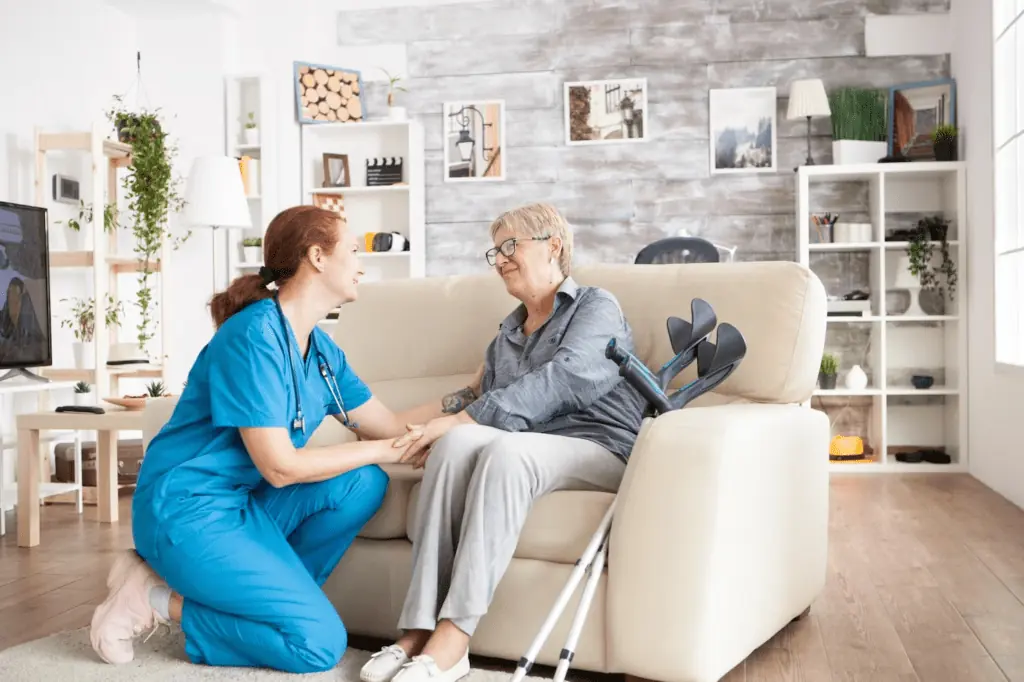
In today’s fast-paced world, healthcare is evolving to become more personalized, accessible, and patient-centered. One of the most significant developments in modern healthcare is home care nursing—a service that brings professional medical support directly to patients in the comfort of their own homes. Whether recovering from surgery, managing a chronic illness, or requiring elderly care, home care nursing ensures individuals receive high-quality treatment without the stress of hospital visits.
What Is Home Care Nursing?
Home care nursing refers to professional medical services delivered at a patient’s residence by licensed nurses and trained healthcare providers. Unlike general caregiving, home care nursing involves clinical expertise, including medication management, wound care, post-operative monitoring, chronic disease management, and rehabilitation support.
This model of care bridges the gap between hospital and home, offering patients the medical attention they need while allowing them to remain in familiar surroundings. It is particularly beneficial for seniors, individuals with mobility challenges, and patients requiring long-term treatment.
The Growing Importance of Home-Based Healthcare
The demand for home healthcare services has increased significantly over the past decade. According to the World Health Organization, population aging and the rise of chronic diseases are major global health challenges. As healthcare systems adapt, home-based services are becoming a sustainable and effective solution.
Additionally, many patients prefer receiving care at home rather than in institutional settings. Hospitals can be overwhelming, and prolonged stays may increase the risk of infections. Home care nursing reduces these risks while promoting emotional comfort and stability.
Key Services Offered in Home Care Nursing
Home care nursing encompasses a wide range of medical and supportive services tailored to individual needs. Some of the most common services include:
1. Post-Surgical Care
After surgery, proper monitoring is essential for recovery. Home care nurses manage wound dressings, monitor vital signs, administer medications, and watch for signs of complications. This reduces the likelihood of hospital readmission and speeds up recovery.
2. Chronic Disease Management
Patients living with conditions such as diabetes, heart disease, COPD, or hypertension require ongoing medical supervision. Skilled nurses help manage medications, track symptoms, educate patients about lifestyle changes, and coordinate with physicians.
3. Elderly Care
Aging individuals often face mobility issues, cognitive decline, or multiple health conditions. Home care nurses provide assistance with daily activities, fall prevention strategies, and specialized care for conditions like dementia or Alzheimer’s disease.
4. Palliative and End-of-Life Care
For patients with serious or terminal illnesses, home care nursing offers comfort-focused treatment. Nurses manage pain, provide emotional support, and ensure dignity and peace during challenging times.
5. Rehabilitation Support
Following injuries or strokes, patients may require physical therapy and rehabilitation. Nurses assist with mobility exercises, therapy routines, and progress monitoring to encourage independence.
Benefits of Home Care Nursing
Home care nursing offers numerous advantages for patients and their families:
Personalized Attention
Unlike busy hospital settings, home care nurses focus on one patient at a time. This individualized care plan ensures that treatment is tailored to specific medical and emotional needs.
Comfort and Familiarity
Being at home promotes emotional well-being. Familiar surroundings reduce anxiety and contribute to faster healing.
Family Involvement
Home care allows family members to participate actively in the recovery process. Nurses can educate caregivers on medication schedules, wound care techniques, and emergency responses.
Cost-Effective Care
In many cases, home care nursing is more affordable than extended hospital stays or long-term nursing facilities. It reduces transportation expenses and minimizes unnecessary hospital visits.
Reduced Risk of Infection
Hospitals expose patients to various pathogens. Receiving care at home significantly lowers the risk of hospital-acquired infections.
The Role of Skilled Nurses
Home care nurses are highly trained professionals, often registered nurses (RNs) or licensed practical nurses (LPNs). They work closely with physicians and healthcare teams to implement treatment plans.
Their responsibilities include:
- Monitoring vital signs
- Administering injections and IV therapy
- Managing medications
- Providing health education
- Documenting progress and reporting changes
Beyond medical skills, home care nurses offer compassion, patience, and emotional support. They often build meaningful relationships with patients, becoming trusted partners in their healthcare journey.
Technology and Modern Home Care
Advancements in medical technology have further enhanced home care nursing services. Telehealth consultations, remote monitoring devices, and portable diagnostic equipment allow nurses to track patients’ conditions accurately and efficiently.
Wearable devices can monitor heart rate, blood pressure, and glucose levels in real-time. Nurses can share this data with physicians, enabling timely interventions and better treatment outcomes.
When Should You Consider Home Care Nursing?
Home care nursing may be the right choice if:
- A loved one is recovering from surgery
- An elderly family member needs regular medical supervision
- A patient has limited mobility
- Chronic illness requires consistent monitoring
- Hospital discharge requires follow-up care
Consulting with a healthcare provider can help determine the level of care required and ensure appropriate services are arranged.
Choosing the Right Home Care Nursing Provider
Selecting a reliable provider is essential. Consider the following factors:
- Proper licensing and accreditation
- Experienced and certified nursing staff
- Clear communication and care plans
- Positive patient reviews and testimonials
- Transparent pricing structures
A reputable agency will conduct an initial assessment, develop a personalized care plan, and adjust services as medical needs change.
The Future of Healthcare Is at Home
Healthcare is shifting toward models that prioritize patient comfort, accessibility, and preventive care. Home care nursing embodies this transformation by delivering professional medical support directly where patients feel safest—at home.
As healthcare systems worldwide continue adapting to aging populations and chronic conditions, home-based care will play an increasingly vital role. Supported by guidance from organizations like the World Health Organization, home care nursing represents a compassionate and practical solution for modern healthcare challenges.
Final Thoughts
Home care nursing is more than just medical assistance—it is compassionate care delivered with dignity and respect. By combining professional expertise with the comfort of home, this approach empowers patients to heal, recover, and live with greater independence.
For families seeking reliable, personalized healthcare solutions, home care nursing offers peace of mind and quality treatment—right at their doorstep.